
Beverage
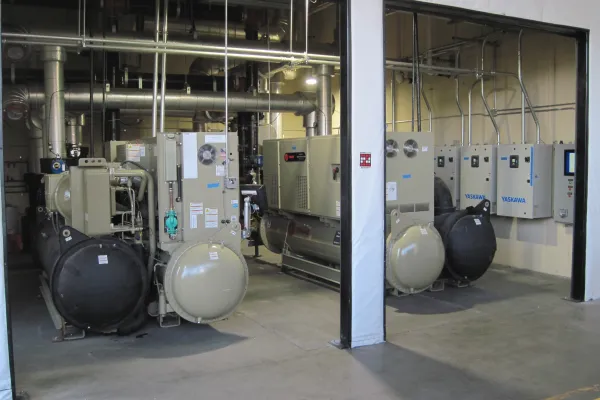
Faced with the requirement for improved cooling, a blow molding plant chose to invest in a significant redesign of its cooling systems that combined two separate systems into a single, integrated system. The combined design leveraged the components to provide a more controlled, efficient system while also requiring less space than the alternative would have needed.
It’s no secret the craft beer market has grown dramatically in North America. Local breweries and brewpubs are popping up across all regions of the United States as consumers seek unique, flavor-rich brews. In fact, according to the Brewers Association, the trade association representing small and independent American craft brewers, in 2015 the number of operating breweries in the U.S. grew 15 percent, totaling 4,269 breweries – the most at any time in American history. With more breweries than ever before, small and independent craft brewers now represent 12 percent market share of the overall beer industry.
[ Read Full Story ]
Temperature control of the musts during the fermentation process is required for the production of high quality wines. Alcoholic fermentation is the chemical reaction in which yeast is used to transform the natural sugars of the fruit into alcohol. The heat generated by this exothermic reaction has to be managed. If must temperatures are allowed to reach the 85°F to 105°F range the reaction will be stopped. This results in high sugar content and an unstable product that requires the addition of sulphur dioxide (SO2) to allow it to be stored without spoiling. In general, optimal fermentation temperatures are 65°F - 68°F for white wines and 77°F for red wines.
[ Read Full Story ]