Industrial Utility Efficiency

System Assessments

As the Best Practices Magazines celebrate their twentieth anniversary, we wanted to take a moment to reflect on the remarkable system efficiency gains achieved since our first issue. We also wanted to give subscribers a peek at what the next decades might bring. To do this, we asked a hand-selected list of original equipment manufacturers, independent compressed air system sales and service companies, manufacturing plants and independent system auditors to share their thoughts, highlighting the changes they’ve seen over the past 20 years, then predicting what the next 20 years will bring.

It is widely recognized that compressed air systems account for ten percent of all electricity and roughly sixteen percent of U.S. industrial motor system energy use. Seventy percent of all manufacturing facilities in the United States use compressed air to drive a variety of process equipment.
Reducing energy costs and pollution emissions involves many areas within an industrial facility.  My studies have found key (or common) areas where low cost practical projects can be implemented.  Combined, these projects provide savings exceeding 10% of the annual energy spend with an average payback of less than one year.

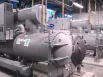
CHILLERS

Chiller & Cooling Best Practices sat down with three of CIS’s officers, Mikel Bonano, Jr., CEO…

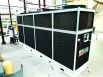
EVAPORATIVE COOLING

How often do you think about your cooling tower or the fill that provides the cooling engine for…

HEAT RECOVERY

This article details how Schneider Electric transformed waste heat into a reliable energy source at…

FREE-COOLING

Free cooling is a type of process cooling system design that takes advantage of ambient…

COOLING CONTROLS

A building materials manufacturer solved persistent dust buildup by using a custom chiller designed…

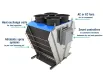
WATER SAVINGS

As facility managers, industrial engineers and procurement professionals strive to meet rising…